


Palazzo Caminneci
Vacation rentals and apartments in Palermo
History and Curiosities of the Chiaramonte Family
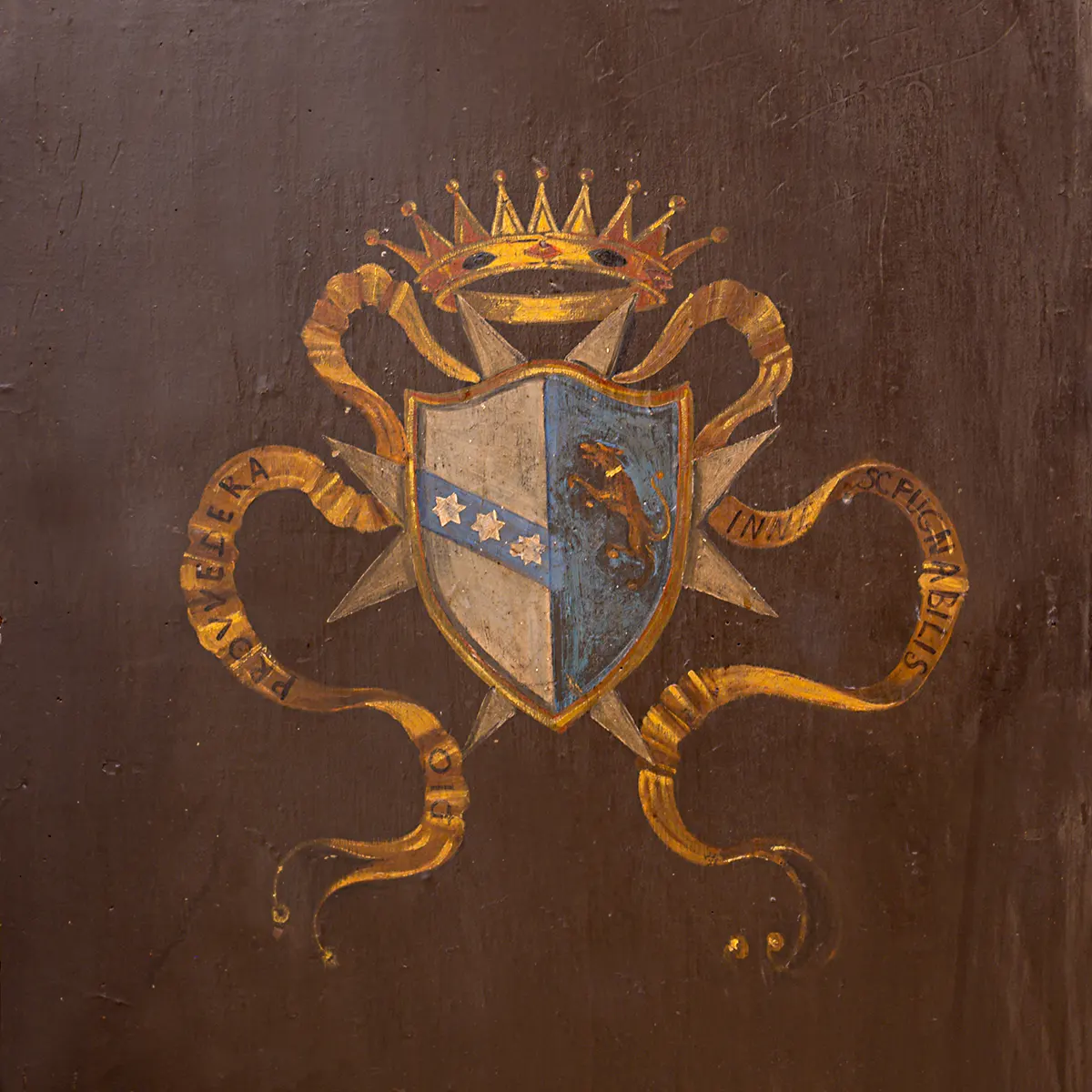
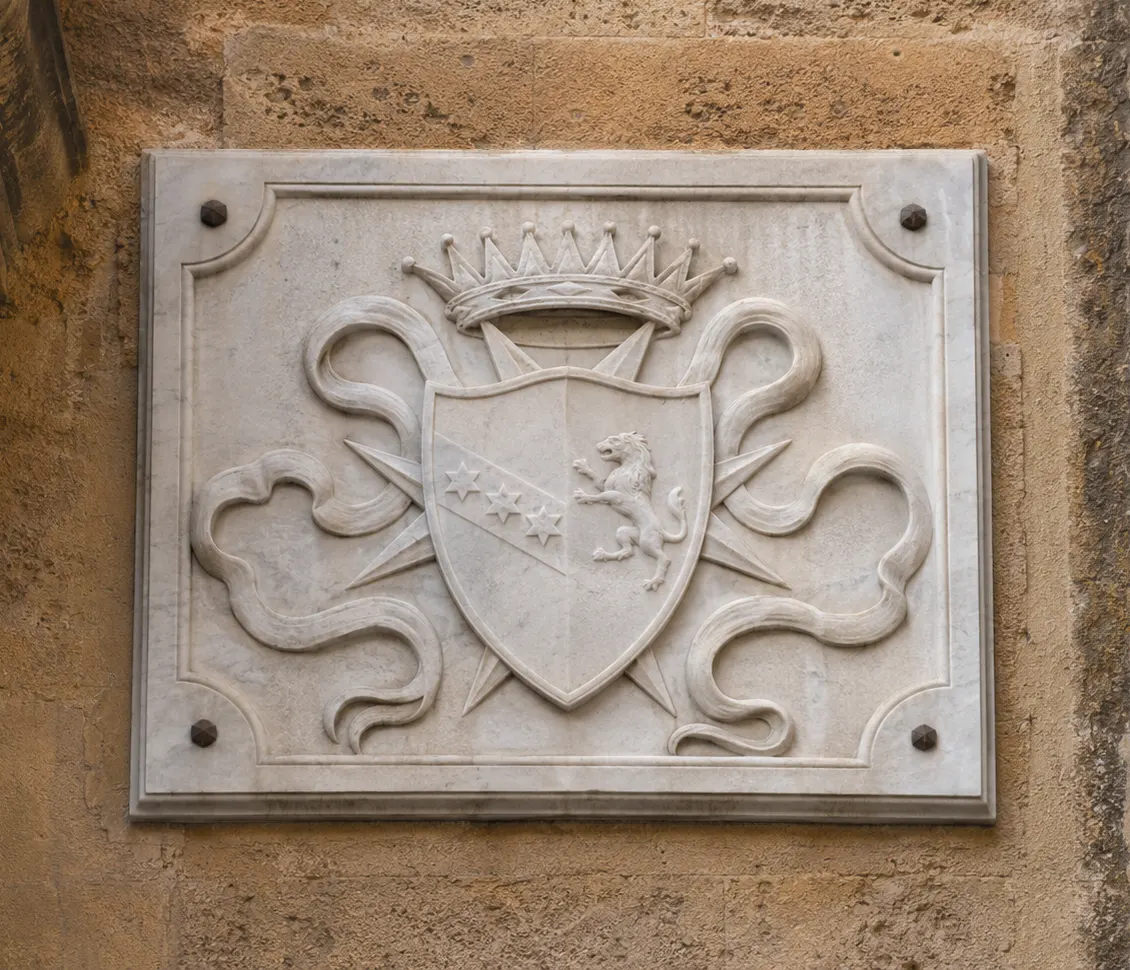
Between the 18th and 19th centuries, Palazzo Caminneci was the residence of the Chiaramonte di Sant’Ippolito family, an ancient lineage from the Sicilian hinterland who moved to Palermo to participate in the capital’s political and cultural life.
The palace became famous thanks to Donna Eleonora Chiaramonte, a cultured and sophisticated patron, who transformed the rooms into a refined cultural center. Her son, Don Saverio, was known for his strong ties to the Vucciria: according to popular tales, he secretly contributed to the restoration of Piazza Garraffello after an 18th-century collapse.
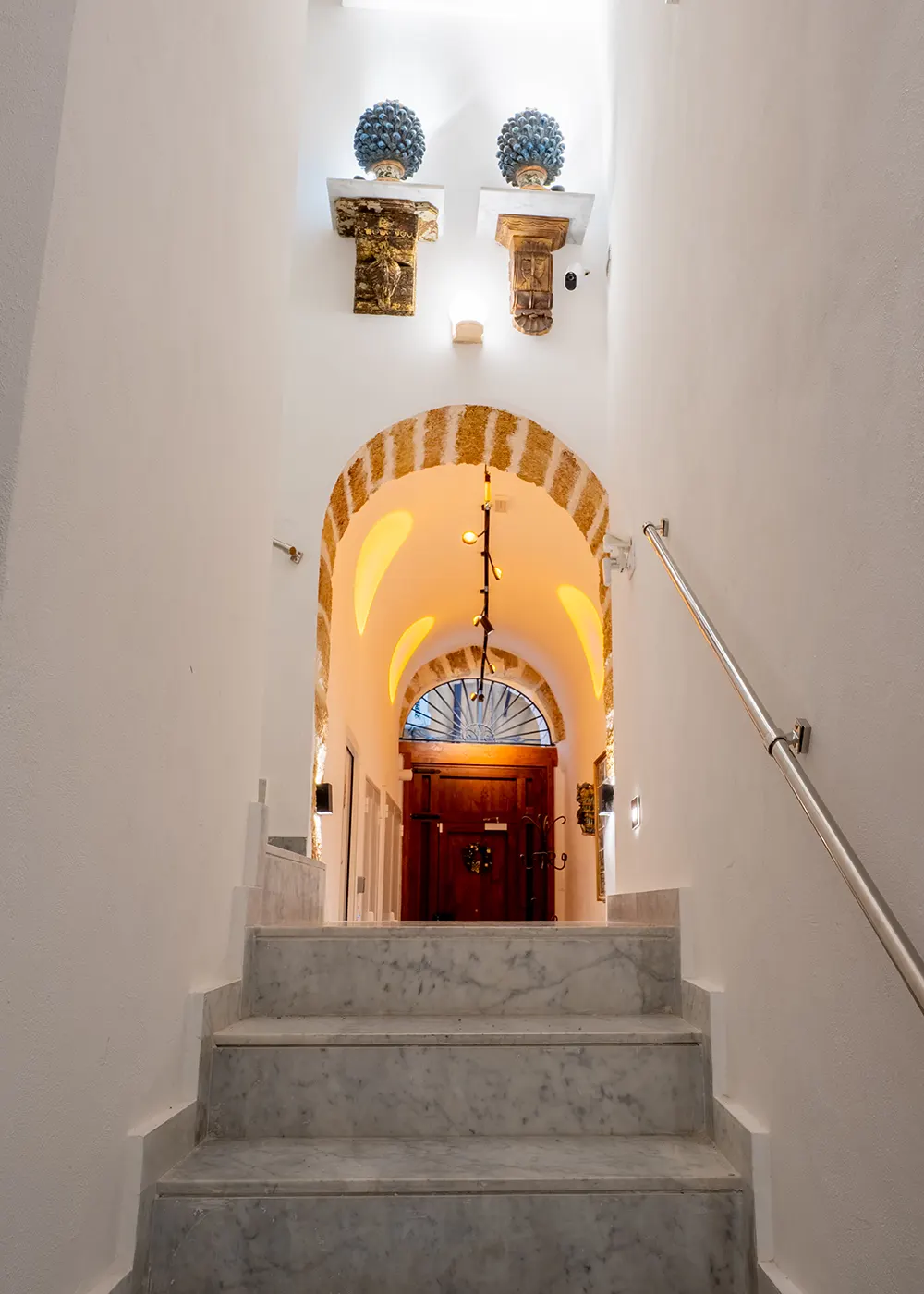
As the 19th century progressed, the family gradually lost influence, and the palace was partially abandoned.
The last heir, Donna Margherita Chiaramonte, left Palermo in 1884, symbolically handing over the keys “to the city and to memory.”
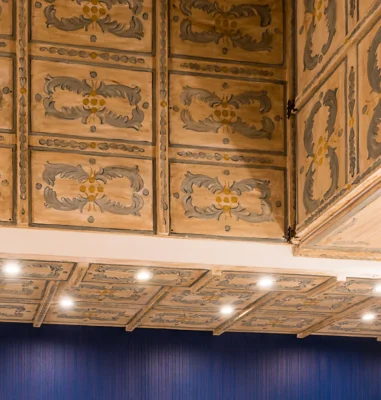
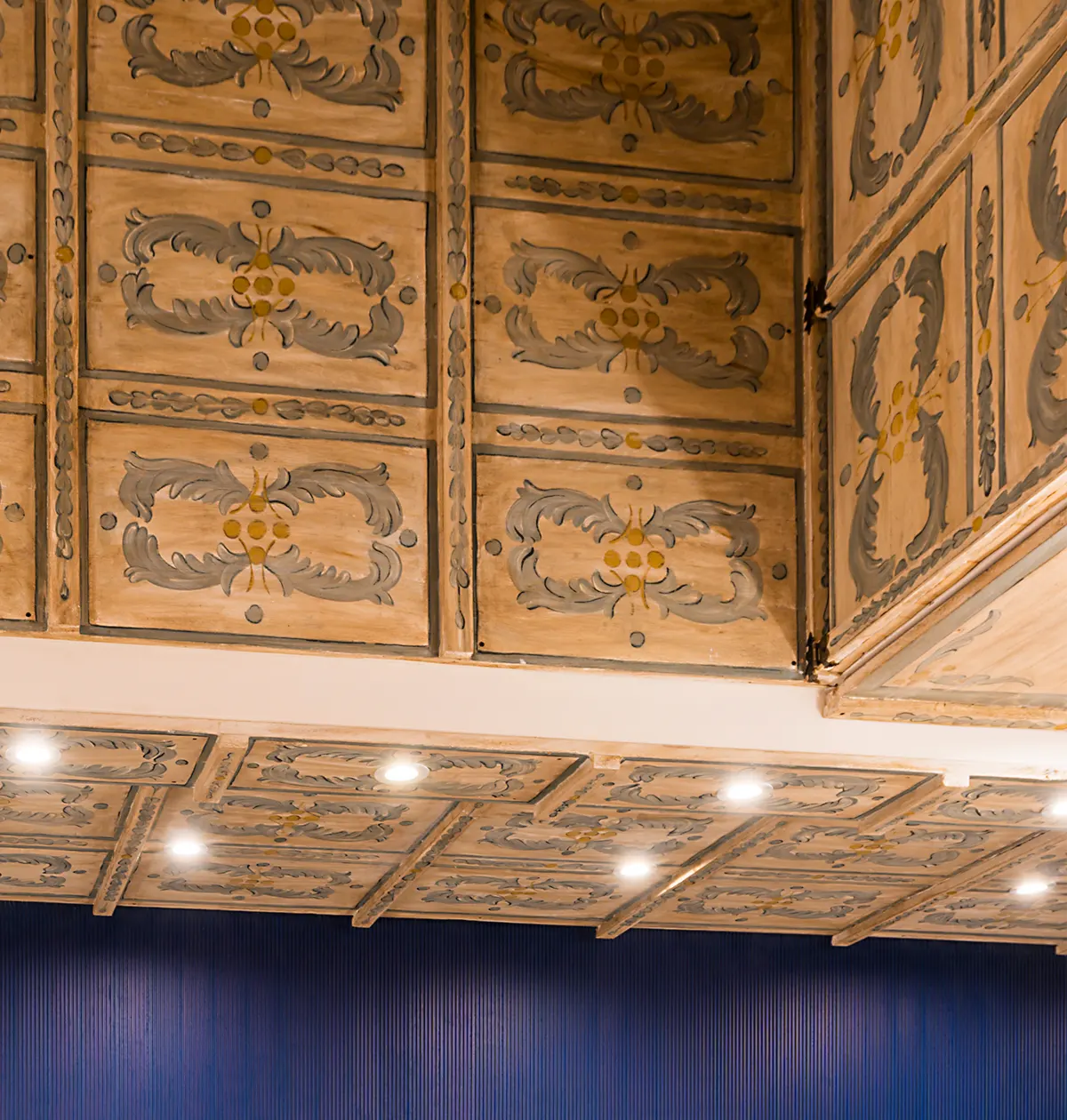
But the story doesn’t end there. Local residents recount a curious detail: on sirocco evenings, a flickering light seems to appear behind the windows of the main floor, as if someone were still walking through the frescoed halls.
Some say it’s the reflection of Donna Eleonora’s old lanterns, others speak of a silent guardian watching over the palace.
Mystery or fascination, Palazzo Caminneci continues to tell its story to those who walk its ancient streets.
Origins: Public Bank and Nobility (16th–17th Century)
The clearest sources link the palace to the city’s extremely important financial role during the Spanish era:
- On the side facing Via Garraffello, part of the building was home to the Banco Pubblico, founded in 1553, also known as the “Ufficio della Tavola,” one of the city’s main credit institutions of the time.
- The same complex later served as the residence of Princess Gravina Filangeri di Ramacca, a member of one of Sicily’s great noble families.
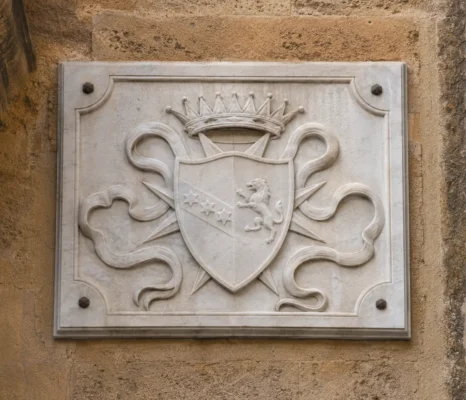
A modern description of an apartment inside the palace specifies that Palazzo Caminneci dates back to the late 1500s, therefore to the end of the 16th century, consistent with the peak of the Vucciria area’s expansion as a neighborhood. merchant.
From the stately palace to the houses of markets and crafts (18th–20th centuries)
Over the centuries, what is typical of many buildings in Palermo’s historic center happened:
- The structure, while still considered valuable, was divided into multiple residential units and shops on the ground floor, following the neighborhood’s densification.
- The Vucciria area, between the 18th and 19th centuries, enjoyed a long period of prosperity as a market and crafts district, but in the 20th century it experienced a progressive decline:
- war and/or seismic damage (sources explicitly mention earthquake-related collapses for the structure that includes Palazzo Caminneci)
Today, therefore, Palazzo Caminneci is an example of heritage reuse historical: from a noble-merchant palace and then a semi-abandoned building, to a tourist-residential structure, albeit within a context (the Vucciria) that is constantly transforming, leaving tourists from all over the world speechless.